

Description
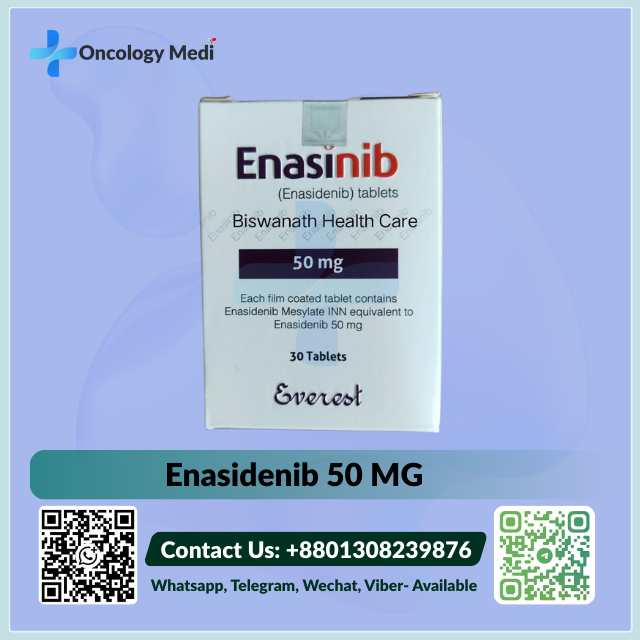
Enasinib 50 mg, containing the active component Enasidenib, is an innovative anticancer drug primarily used in the treatment of acute myeloid leukemia (AML). AML is a type of cancer that affects the blood and bone gist, characterized by the rapid-fire growth of abnormal white blood cells that intrude with the product of normal blood cells. Enasidenib belongs to a new class of targeted remedy known as isocitrate dehydrogenase- 2 (IDH2) impediments, designed to specifically act on cancer cells that carry mutations in the IDH2 gene. By targeting this mutation, Enasinib helps restore normal cell isolation and suppresses cancer cell growth.
Composition and Formulation
Each Enasinib 50 mg tablet contains Enasidenib mesylate as the active pharmaceutical component. It’s available in oral tablet form for accessible formerly- diurnal administration. The tablets are generally film- carpeted to insure readily swallowing and stability. Inactive constituents may include lactose monohydrate, microcrystalline cellulose, magnesium stearate, and other excipients that support the tablet’s integrity and immersion.
Mechanism of Action
The remedial effect of Enasinib arises from its picky inhibition of the mutant IDH2 enzyme. Under normal conditions, IDH2 plays a pivotal part in cellular metabolism within mitochondria. still, when mutations do in the IDH2 gene, the enzyme produces an abnormal metabolite called 2- hydroxyglutarate (2- HG). Elevated situations of 2- HG intrude with the normal isolation of bone gist cells, leading to the accumulation of immature leukemic cells.
Enasinib binds to the shifted IDH2 enzyme and inhibits its exertion, leading to a reduction in 2- HG situations. This allows immature blood cells to renew normal isolation into functional white blood cells. Therefore, rather of directly killing cancer cells like conventional chemotherapy, Enasinib reprograms leukemic cells to develop typically, offering a more targeted and lower poisonous treatment approach.
Therapeutic Indications
Enasinib 50 mg is primarily indicated for the treatment of regressed or refractory acute myeloid leukemia( AML) in adult cases who harbor an IDH2 mutation. The presence of this mutation must be verified through an FDA- approved individual test before initiating remedy. It may also be considered in clinical trials or special circumstances for cases recently diagnosed with AML who are unfit for ferocious chemotherapy.
Dosage and Administration
The usual recommended dose of Enasinib is 100 mg formerly daily, administered orally with or without food. Depending on the brand or indigenous tradition guidance, Enasinib 50 mg tablets may be taken as two tablets daily to achieve the total diurnal cure. Cases are frequently advised to take the drug at the same time each day and avoid crushing or biting the tablets.
Since isolation of leukemia cells may take time, remedy is generally continued for at least six months unless there’s complaint progression or intolerable side effects.
Side Effects
Like all cancer specifics, Enasinib may beget side effects, although not everyone experiences them. Common adverse responses include:
Nausea and puking
dropped appetite and weight loss
Diarrhea or constipation
Fatigue and weakness
Fever and infections caused by reduced impunity
A particularly important side effect is the isolation pattern, a potentially life- hanging condition caused by the rapid-fire development of leukemic cells. Symptoms may include fever, shortness of breath, rapid-fire weight gain, and fluid buildup around the lungs or heart. However, immediate medical intervention with corticosteroids is needed if isolation pattern is suspected.
Precautions and Warnings
Monitoring: Regular blood tests are necessary to cover liver function, bilirubin situations, and blood counts during treatment.
Liver Function Enasinib may beget elevations in liver enzymes or bilirubin; cure adaptations or temporary termination may be demanded.
Gestation and Lactation Enasinib can harm the fetus; women of travail eventuality should use effective contraception during treatment and for a period after stopping the medicine. Breastfeeding should also be avoided.
Medicine relations Enasinib may interact with other specifics that are metabolized by the liver. Cases should inform their croaker
about all medicines or supplements they’re taking.
Clinical Benefits
Enasinib represents a major advancement in perfection oncology. In clinical trials, numerous cases with IDH2- mutant AML endured durable remittals and bettered survival rates. Indeed, after failing previous treatments. By targeting the specific inheritable mutation driving the complaint. Enasinib provides an effective and individualized approach to managing AML, with smaller side effects than traditional chemotherapy.
Storage and Handling
Enasinib tablets should be store at room temperature (between 20 °C and 25 °C), defended from humidity and light. The drug should be keep out of reach of children and not use beyond its expiration date.
Conclusion
Enasinib 50 mg (Enasidenib) stands as a promising target remedy for cases with IDH2- shift acute myeloid leukemia. Offering renewed hope where traditional treatments have failed. By addressing the molecular root of the complaint rather than simply destroying cells indiscriminately. It exemplifies the progress of ultramodern cancer remedy toward further effective, personalize, and tolerable treatments. Still, due to the eventuality for serious side effects and the need for close monitoring. Its use should always be guide by a effects oncologist experience in managing AML.

Reviews
There are no reviews yet.