

Description
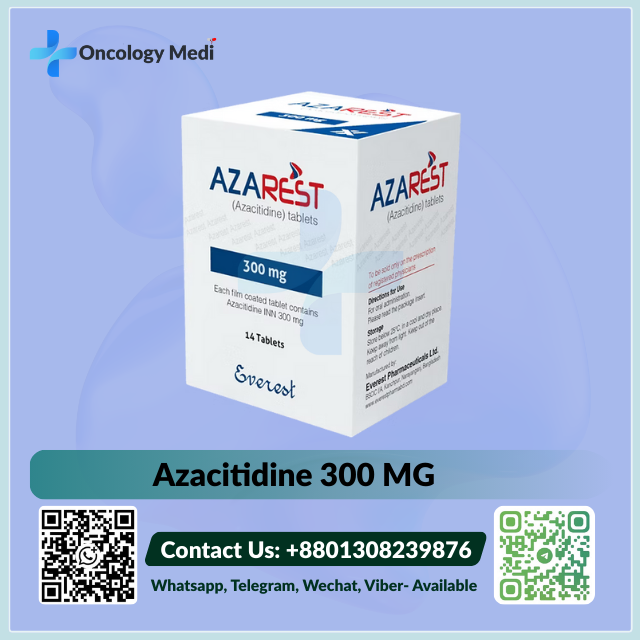
Azarest 300 mg, containing the active component Azacitidine, is an important anticancer drug extensively used in the operation of certain blood- related cancers, particularly myelodysplastic runs (MDS) and acute myeloid leukemia (AML). It belongs to a class of medicines known as hypomethylating agents, which act at the DNA position to help restore normal cell growth and reduce the progression of abnormal cells. Azarest is honored for its capability to ameliorate blood counts, detention complaint progression, and enhance overall case issues, especially in individualities not eligible for ferocious chemotherapy or bone gist transplantation.
Mechanism of Action
Azacitidine works by inhibiting DNA methyltransferase, an enzyme responsible for adding methyl groups to DNA. inordinate DNA methylation in cancer cells frequently silences excrescence suppressor genes, allowing abnormal cells to grow uncontrollably. By reducing methylation, Azarest helps extinguish these suppressed genes, promoting the development and normal functioning of blood cells. This leads to reduced product of immature blast cells and bettered development of red cells, white cells, and platelets. In addition to its epigenetic effects, Azacitidine has direct cytotoxic exertion, helping exclude fleetly dividing nasty cells.
Therapeutic Uses
Azarest 300 mg is primarily specified for:
Myelodysplastic Runs (MDS) – including refractory anemia, habitual myelomonocytic leukemia (CMML), and other affiliated subtypes. It helps manage symptoms and reduces the threat of metamorphosis to acute leukemia.
Acute Myeloid Leukemia (AML) – particularly in senior cases or those unfit for high- intensity chemotherapy. Azacitidine has been shown to protract survival and ameliorate quality of life.
Habitual Myelomonocytic Leukemia (CMML) – where it supports count stability and symptom control.
ss=”yoast-text-mark” />>By promoting normal hematopoiesis, Azarest helps reduce the need for blood transfusions, which is a major advantage for cases dealing with habitual anemia due to their condition.
Dosage and Administration
Azarest 300 mg is generally administered subcutaneously or intravenously, depending on the treatment plan. The typical authority involves diurnal dosing for seven successive days, followed by a rest period of 21 days, completing a 28- day cycle. Treatment is continued for multiple cycles, frequently six or further, depending on patient response. The exact cure may vary grounded on body face area( BSA), case forbearance, and clinical condition. Because Azacitidine affects bone gist function, remedy must be initiated and covered by an educated oncologist or hematologist, with frequent blood tests needed to assess response and acclimate dosing as demanded.
Benefits of Azarest 300 mg
One of the crucial benefits of Azarest is its capability to significantly ameliorate blood counts, reducing complications similar as infections, bleeding, and severe fatigue. Numerous cases witness a reduction in transfusion dependence, allowing for lesser independence and better quality of life. In AML and MDS cases, Azacitidine has been shown to delay complaint progression. Protract survival, and reduce hospitalization due to affiliated complications. Its comparatively favorable safety profile makes it suitable for aged individualities and those who can not tolerate ferocious chemotherapy.
Side Effects and Risks
Like all anticancer specifics, Azarest 300 mg is associated with several side effects. Generally reported responses include nausea, puking, diarrhea, constipation, fatigue, and injection- point responses. Hematologic side effects are more significant, frequently presenting as neutropenia, thrombocytopenia, or anemia. Cases may be at increased threat for infections due to low white blood cell counts, making close monitoring essential. lower frequent but serious side effects include order dysfunction, liver abnormalities, and cardiac complications. Any unusual symptoms — particularly fever, patient bleeding, casket pain, or difficulty breathing — should be reported incontinently.
Precautions and Contraindications
Azarest should be used with caution in cases with active infections, severe order complaint, or liver impairment. Women who are pregnant or breastfeeding should avoid using Azacitidine due to the threat of fetal detriment. Effective contraception is recommended for both men and women during treatment. The drug shouldn’t be used in individualities with known acuity to Azacitidine or any factors of the expression. Regular monitoring through complete blood counts (CBC), order tests, and liver function tests is essential to insure safe and effective remedy.
Drug Interactions
Although major medicine relations with Azacitidine are uncommon, caution is advised when used alongside other myelosuppressive agents. As the concerted effect may consolidate bone gist repression. Healthcare providers should be informed about all specifics, supplements, and herbal products the case is taking ahead starting treatment.
Conclusion
Azarest 300 mg (Azacitidine) remains a foundation remedy in the operation of myelodysplastic runs and acute myeloid leukemia, offering meaningful benefits to cases through bettered hematologic function an
d extended survival. While it carries implicit pitfalls, its overall efficacity and tolerability make it a precious option for cases who bear long- term, complaint- modifying remedy. With careful monitoring and proper medical guidance. Azarest can significantly enhance quality of life and issues for individualities battling complex hematologic malignancies.



Reviews
There are no reviews yet.