

Description
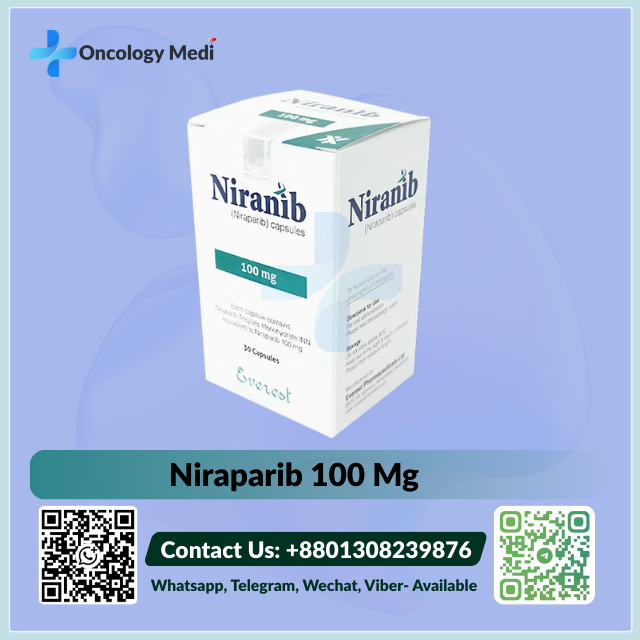
Niranib 100 mg, containing the active component Niraparib, is an advanced oral anticancer drug belonging to the class of PARP (Poly ADP- Ribose Polymerase) impediments. It’s primarily used in the operation of ovarian-affiliated cancers, especially in women who have formerly responded to former treatments similar as platinum- grounded chemotherapy. By targeting specific DNA form pathways in cancer cells, Niranib helps decelerate down complaint progression and improves long- term clinical issues for eligible cases.
Mechanism of Action
Niranib (Niraparib) works by inhibiting PARP enzymes, which are essential for repairing damaged DNA in cells. Cancer cells, especially those with BRCA1/ BRCA2 mutations or homologous recombination insufficiency (HRD), calculate heavily on PARP for survival. When PARP is blocked, these defective cancer cells accumulate DNA damage and ultimately die through a process known as synthetic lethality. Normal healthy cells, still, generally have indispensable form pathways, making the treatment more picky toward cancer cells. This targeted medium helps reduce excrescence growth and lowers the liability of complaint rush.
Indications and Uses
Niranib 100 mg is primarily specified for the ensuing conditions conservation remedy for intermittent epithelial ovarian, fallopian tube, or primary peritoneal cancer in grown-ups who are in a complete or partial response to platinum- grounded chemotherapy.
First-line conservation remedy for cases with recently diagnosed ovarian cancer who respond to original chemotherapy, regardless of BRCA mutation status.
Treatment of HRD-positive cancers, including BRCA-shifted excrescences, which tend to respond positively to PARP inhibition.
The drug is generally continued until complaint progression or inferior toxin occurs.
Dosage and Administration
Niranib is taken orally formerly daily, rather at the same time each day. The usual starting dose is either 200 mg or 300 mg, depending on the case’s body weight and platelet count, but some cases may be specified 100 mg capsules to acclimate to the cure grounded on forbearance. The capsules should be swallowed whole without crushing or biting. Healthcare professionals routinely cover blood counts and organ function to insure safe and effective treatment.
Benefits of Niranib Therapy
Niraparib has demonstrated significant clinical benefits in several major studies, including the ENGOT- OV16/ NOVA and PRIMA trials. Cases treated with Niranib endured
Advanced progression-free survival, especially those with BRCA mutations or HRD-positive excrescences.
Reduced threat of cancer rush after responding to chemotherapy.
Greater treatment inflexibility, as it can be used anyhow of BRCA status.
Accessible oral administration, perfecting treatment adherence and reducing sanitarium visits.
Its broad connection makes it a precious option in ultramodern ovarian cancer operation.
Side Effects and Precautions
Like all anticancer specifics, Niranib may beget certain side effects. Generally reported adverse responses include
Nausea, puking, or loss of appetite
Fatigue or weakness
Anemia, thrombocytopenia, or neutropenia (low blood counts)
Constipation or abdominal discomfort
wakefulness or dizziness
Elevated blood pressure
More serious but less frequent pitfalls include myelodysplastic pattern (MDS), acute myeloid leukemia (AML), and severe bone marrow repression. Cases must suffer regular blood tests, especially during the first many months of remedy. It should be used with caution in individualities with liver impairment, unbridled hypertension, or a history of bleeding diseases.
Contraindications and Drug Interactions
Niranib shouldn’t be used in:
Cases with known acuity to Niraparib or its factors.
Pregnant or suckling women, due to implicit detriment to the fetus or child.
individualities with unbridled infections or critically low blood counts.
Medicine relations are fairly limited because Niraparib is n’t heavily metabolized by common liver enzymes. still, cases should still inform their healthcare provider about all ongoing specifics, including herbal supplements, blood pressure drugs, and anticoagulants.
Patient Guidance and Monitoring
Successful treatment with Niranib requires proper monitoring and adherence. Cases are advised to:
Take the drug daily as specified.
Report symptoms like easy bruising, patient fatigue, or unusual bleeding.
Examine blood pressure regularly.
Attend all listed follow-up tests.
Maintain a healthy diet and stay doused to reduce gastrointestinal side effects.
Healthcare providers frequently acclimate the cure grounded on case forbearance to insure long-term remedy remains safe.
Conclusion
Niranib 100 mg (Niraparib) is a largely effective oral remedy that has converted the operation of ovarian and affiliated cancers. Its capability to target DNA form pathways gives it a important advantage, particularly for cases with BRCA mutations or HRD-positive excrescences. Though it requires close monitoring, its clinical benefits similar as bettered progression-free survival and convenience of use, making it an essential element of cancer remedy. With proper guidance and medical supervision, Niranib offers cases a better chance at long-term complaint control and bettered quality of life.



Reviews
There are no reviews yet.