

Description
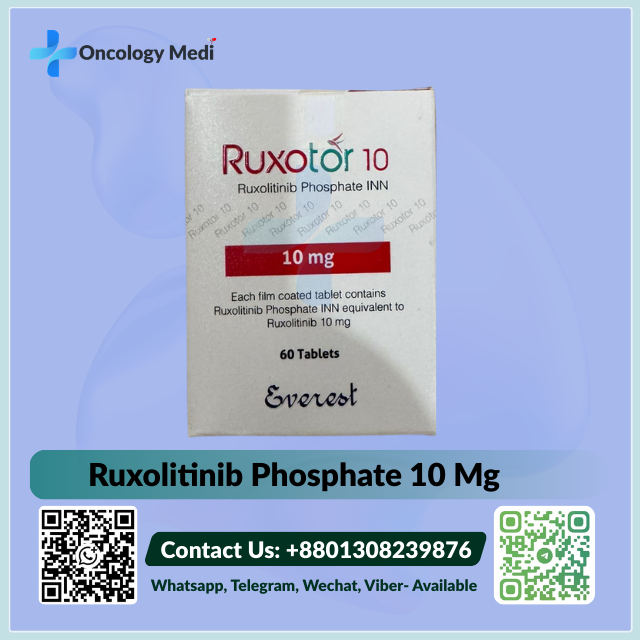
Ruxotor 10 mg contains Ruxolitinib Phosphate, an oral medication primarily used to treat certain blood and bone marrow disorders. It belongs to a class of medicines known as Janus kinase (JAK) inhibitors. By targeting specific enzymes involved in the regulation of blood cell production and immune function, Ruxotor helps control abnormal cell growth and reduce inflammation associated with various hematologic conditions.
What is Ruxolitinib?
Ruxolitinib is a selective inhibitor of Janus kinase 1 (JAK1) and Janus kinase 2 (JAK2). These enzymes play a crucial role in the JAK-STAT signaling pathway, which regulates immune responses, inflammation, and blood cell formation. In certain disorders, this pathway becomes overactive, leading to excessive production of blood cells or inflammatory cytokines. Ruxolitinib works by blocking these enzymes, thereby reducing abnormal signaling and restoring balance in the body.
Indications of Ruxotor 10 mg
Ruxotor 10 mg is mainly prescribed for the treatment of:
1. Myelofibrosis
Myelofibrosis is a rare type of bone marrow cancer characterized by scarring (fibrosis) of the bone marrow. This condition disrupts normal blood cell production, causing anemia, fatigue, weakness, and enlargement of the spleen (splenomegaly). Ruxotor helps reduce spleen size and alleviates symptoms such as night sweats, bone pain, and weight loss.
2. Polycythemia Vera
Polycythemia vera is a blood disorder in which the bone marrow produces too many red blood cells. This thickens the blood and increases the risk of blood clots. Ruxotor is used in patients who do not respond adequately or cannot tolerate hydroxyurea therapy.
3. Graft-versus-Host Disease (GVHD)
Graft-versus-host disease may occur after a stem cell or bone marrow transplant, where donor immune cells attack the recipient’s tissues. Ruxolitinib is effective in managing steroid-refractory acute or chronic GVHD by suppressing immune overactivity.
Mechanism of Action
Ruxolitinib selectively inhibits JAK1 and JAK2 enzymes, which are involved in signaling pathways that regulate blood cell production and immune responses. In diseases like myelofibrosis and polycythemia vera, mutations often cause continuous activation of these enzymes. By blocking JAK activity, Ruxotor reduces inflammatory cytokine production and abnormal proliferation of blood cells. This results in symptom relief and improved quality of life.
Dosage and Administration
Ruxotor 10 mg tablets are taken orally, usually twice daily, with or without food. The dosage depends on:
The patient’s platelet count
The underlying condition being treated
Liver or kidney function
Response to therapy
Doctors may adjust the dose based on blood test results and tolerance. Regular monitoring of blood counts is essential during treatment.
Benefits of Ruxotor 10 mg
Reduces spleen enlargement in myelofibrosis
Controls hematocrit levels in polycythemia vera
Improves symptoms such as fatigue, itching, and night sweats
Enhances overall quality of life
Effective in steroid-resistant GVHD
Patients often experience symptomatic improvement within weeks of starting therapy.
Possible Side Effects
Like all medications, Ruxotor 10 mg may cause side effects. Common side effects include:
Anemia (low red blood cell count)
Thrombocytopenia (low platelet count)
Neutropenia (low white blood cell count)
Headache
Dizziness
Increased risk of infections
Because Ruxolitinib suppresses the immune system, patients may be more susceptible to bacterial, viral, or fungal infections. Reactivation of herpes zoster (shingles) has also been reported.
Serious but less common side effects include severe infections, bleeding complications, and non-melanoma skin cancers. Routine monitoring is essential to detect and manage these risks early.
Precautions and Warnings
Before starting Ruxotor 10 mg, patients should inform their healthcare provider about:
Any history of infections
Liver or kidney disease
Tuberculosis exposure
Previous cancers
Pregnancy or breastfeeding
Women of childbearing potential should use effective contraception during treatment. The safety of Ruxolitinib during pregnancy has not been fully established.
Abrupt discontinuation may lead to withdrawal symptoms or disease flare in some patients. Therefore, dosage should be taper under medical supervision if discontinuation is necessary.
Drug Interactions
Ruxolitinib is metabolize primarily by the CYP3A4 enzyme system in the liver. Concomitant use with strong CYP3A4 inhibitors (such as ketoconazole) may increase drug levels, requiring dose adjustments. Similarly, strong CYP3A4 inducers may reduce effectiveness.
Patients should inform their healthcare provider about all medications, including herbal supplements and over-the-counter drugs.
Storage
Store at room temperature (below 30°C).
Keep in a dry place away from direct sunlight.
Keep out of reach of children.
Conclusion
Ruxotor 10 mg (Ruxolitinib Phosphate) is an important target therapy for managing myeloproliferative disorders and transplant-related complications. By inhibiting JAK1 and JAK2 enzymes, it effectively reduces abnormal blood cell production and inflammation. While it offers significant clinical benefits—particularly in reducing spleen size and improving quality of life—careful monitoring is essential due to potential hematologic and infectious side effects. When used under proper medical supervision, Ruxotor 10 mg plays a vital role in the modern management of complex hematological conditions.


Reviews
There are no reviews yet.